What Is a “Bubblehood” in Real Estate and
Why It Matters to Buyers and Sellers
If you’ve ever heard an agent say,
“A home down the street sold for much more, so this one should too,”
you may be dealing with what I call a Bubblehood.
A Bubblehood is a micro-neighborhood or small pocket within a community where one
unusually high sale creates a false sense of market value—even though most comparable
homes sell for significantly less.
It’s a common pricing trap, and it can cost buyers and sellers real money if it’s not identified
early.
What Creates a Bubblehood?
Bubblehoods don’t happen randomly. They are almost always driven by specific, non-
repeatable circumstances, such as:
A cash buyer with no financing constraints
A buyer relocating on a deadline
A fully renovated, designer-level home in a sea of originals
Waterfront, golf, or preserve positioning that others don’t have
Emotional bidding wars during peak market cycles
That one sale becomes the outlier—not the rule.
But once it’s on the record, it gets used.
How Bubblehood Pricing Gets Misused
Some agents will point to that one high sale and say:
“This sale supports the price.”
The problem?
The broader market never actually did.
Instead of pricing based on:
Recent consistent sales
Average price per square foot
Condition, upgrades, and lot position
Buyer behavior after that sale
They anchor expectations to a moment that no longer exists.
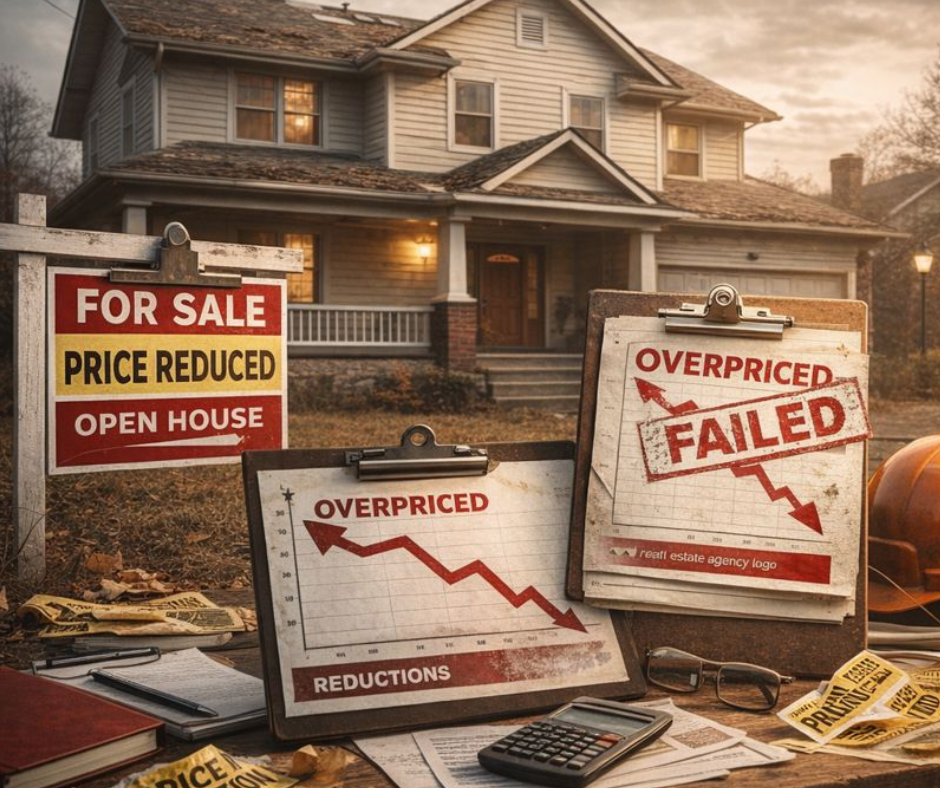
This is how homes become:
Overpriced from day one
Stale on the market
Forced into price reductions
Weaker during inspections and appraisals

Why Appraisers and Serious Buyers Don’t Buy Into Bubblehoods
Professional appraisers and experienced buyers adjust for outliers.
They ask:
Was that sale repeatable?
Was it market-driven or buyer-specific?
Did similar homes sell near that number—or far below it?
What happened in the months immediately after?
If the market didn’t follow the outlier, it’s not a new benchmark—it’s a statistical exception.
Bubblehoods Are Most Common in These Situations
You’ll see Bubblehoods frequently in:
Older communities with mixed renovation levels
Golf or country club neighborhoods
Gated communities with varied lot premiums
Waterfront areas with one “trophy” sale
Markets coming off rapid appreciation
Palm Beach Gardens, like many established areas, has several of these micro-pockets.
The Risk to Sellers: Chasing a Number the Market Won’t Pay
Sellers harmed most by Bubblehood pricing are the ones who:
Anchor emotionally to a neighbor’s sale
List high “to test the market”
Ignore absorption rate and buyer demand
Miss the strongest buyer window
By the time the price comes down, the leverage is gone.
The Advantage of Understanding a Bubblehood
When you understand Bubblehoods, you gain clarity:
Buyers
Avoid overpaying based on hype
Negotiate confidently with real data
Spot pricing gaps others miss
Sellers
Price correctly from day one
Attract serious, qualified buyers
Maintain leverage during inspections

How I Use Bubblehood Analysis in My Work
I don’t price homes—or advise buyers—based on one emotional sale.
I look at:
Market consistency
Buyer behavior before and after the outlier
True replacement value
Whether the premium is repeatable


Just plain doing my homework and research to spot these pitfalls for buyers!
That’s how you protect equity instead of chasing headlines.
Final Thought
Every neighborhood has a story.
Some sales tell the truth.
Others create a Bubblehood.
The difference between a smart move and an expensive mistake is knowing which is which.
If you want to understand how your neighborhood—or a home you’re considering—fits into
the real market, that’s a conversation worth having.
Download & Clickable Resources


Palm Beach Relocation FAQ
Client
TESTIMONIAL

-
Not always. Buying immediately can be risky because you haven’t experienced daily life, HOA rules, or seasonal patterns yet. Many buyers benefit from renting first, learning the area, and then buying with clarity and leverage.
-
Because relocation buyers are making a decision without lived context. HOA restrictions, insurance costs, taxes, and resale dynamics can vary widely between communities, even when homes look similar.
-
Rent first if you’re unsure about the best community fit, want to understand seasonality, or need time to compare HOA rules and true monthly costs. Buy first if you’re highly confident in community fit and have already verified costs, restrictions, and exit strategy.
-
Focus on rental restrictions, special assessments, reserve funding, renovation approvals, and rules that affect resale demand. HOA structure can impact your flexibility and your ability to exit cleanly later.
-
Slow the timeline, verify HOA and cost details early, and prioritize long-term livability and resale over excitement. The best first purchase is the one that still works after the novelty wears off.
-
Many underestimate total monthly carrying costs—especially insurance, HOA obligations, assessments, and property tax structure. Two similar homes can have very different long-term costs.
-
Start with lifestyle priorities—privacy, activity level, maintenance tolerance, and governance preferences—then filter communities by HOA flexibility, long-term costs, and resale demand.
-
It’s strongly recommended. Relocation buyers face more unknowns, and a buyer’s agent helps identify community differences, verify HOA restrictions, evaluate true costs, and negotiate with long-term outcomes in mind.
We would highly recommend Noel for any real estate transaction. We were buying from out of state and he went above and beyond to review properties for us in advance. After a prolonged search, we finally found our dream home only to have the inspection kill the deal for us. Noel handled the entire situation so well. From understanding our decision to walk away to delivering the message to all parties, he was nothing but professional. He was very supportive and two weeks later found us the home that was always meant to be ours. We cannot express how refreshing it is to work with such professional. If you have something to sell or are looking to buy, Noel is who you want to call. - Sheila E